













A City of Stone, Salt, and Sovereignty
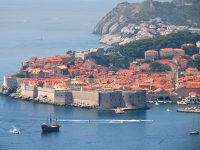
Dubrovnik rises from the rocky Adriatic coastline like a vision from a dream—its medieval walls encircling red-roofed buildings, its marble streets polished by centuries of footsteps, and the sea reflecting its eternal blue. Often dubbed the “Pearl of the Adriatic,” Dubrovnik is far more than a pretty face. It’s a fortress of history, a cultural capital, and a living symbol of resilience. Whether you’re walking atop its storied walls or dining with a view of the sea, Dubrovnik casts a spell few cities can match.
A Fortress of History: Dubrovnik Through the Ages
Early Foundations and Independence
Founded in the 7th century, Dubrovnik (originally known as Ragusa) was established by refugees from the Roman city of Epidaurum (modern-day Cavtat). Over time, it became a key maritime hub on the Dalmatian coast. While it fell under various nominal rulers—Byzantine, Venetian, and Hungarian—the city largely operated as a self-governing republic for over 500 years.
The Republic of Ragusa (1358–1808) was a beacon of diplomacy, trade, and culture. Dubrovnik’s merchant fleet rivaled that of Venice, and its statesmen navigated the powers of the Mediterranean with shrewd neutrality. The city abolished slavery in 1416—centuries before many others—and cultivated arts, science, and architecture.
Earthquakes, Empires, and War
The city suffered a massive blow in 1667, when a powerful earthquake killed thousands and damaged much of the Old Town. But Dubrovnik rebuilt itself, again demonstrating its resilience. In 1808, Napoleon’s troops dissolved the republic, and the city later became part of the Austro-Hungarian Empire, then Yugoslavia.
In the early 1990s, during Croatia’s War of Independence, Dubrovnik endured heavy shelling despite being a UNESCO World Heritage Site. The images of burning rooftops shocked the world, but restoration efforts—meticulously using original materials and techniques—have brought the city back to its full glory.
Top Attractions: Explore Dubrovnik’s Timeless Beauty
1. City Walls and Forts
Dubrovnik’s most iconic feature is its massive defensive walls, stretching almost 2 kilometers around the Old Town and punctuated by towers and bastions. Walking the walls is a must-do experience, offering sweeping views of the city’s rooftops, the sparkling Adriatic, and neighboring Lokrum Island.
Be sure to stop at:
- Minčeta Tower: The highest point on the wall.
- Fort Lovrijenac: An independent fortress just outside the city walls, often called “Dubrovnik’s Gibraltar.”
- Fort Bokar: A stunning rounded bastion guarding the western approach.
2. Stradun (Placa)
This gleaming limestone-paved main street runs from the Pile Gate to the Old Port, lined with Renaissance and Baroque buildings. Though it feels like a film set, it’s the heart of daily life in Dubrovnik. Linger over a coffee, enjoy gelato, or watch a street performer in this perfectly preserved corridor.
3. Rector’s Palace
Once the seat of the Republic’s government, the Rector’s Palace is a harmonious blend of Gothic, Renaissance, and Baroque styles. Today, it houses a museum displaying historical artifacts, portraits, and period furnishings.
4. Dubrovnik Cathedral and Treasury
Built after the 1667 earthquake on the site of earlier churches, the Baroque-style cathedral features a treasury with relics, including a fragment of the True Cross and works by Titian.
5. Franciscan Monastery and Old Pharmacy
Home to one of the oldest functioning pharmacies in Europe (since 1317), this monastery also contains a beautiful Romanesque cloister and a small museum with religious manuscripts and artworks.
Modern Marvels and Game of Thrones Fame
Dubrovnik’s cinematic beauty has made it a favorite film location, most notably as King’s Landing in HBO’s Game of Thrones. Fans can tour filming locations including:
- The Jesuit Staircase (Walk of Shame scene)
- Fort Lovrijenac (Red Keep)
- Rector’s Palace and Pile Gate
Beyond pop culture, the city has embraced luxury tourism. Upscale restaurants, boutique hotels, and beach clubs now grace its waterfront, seamlessly blending the historic with the modern.
Island Escapes and Natural Wonders
Lokrum Island
Just a 10-minute ferry ride from the Old Port, Lokrum is a lush, car-free island featuring botanical gardens, a Benedictine monastery, and peacocks that roam freely. Hike to Fort Royal for views or take a dip in the salt-filled Dead Sea lagoon.
Elaphiti Islands
Accessible by boat from Dubrovnik, this tranquil archipelago is perfect for a day trip. The islands of Koločep, Lopud, and Šipan offer quiet beaches, seaside villages, and walking trails.
Mljet National Park
About two hours by ferry, Mljet is a forested island known for its saltwater lakes and Benedictine monastery. It’s a favorite for kayaking, swimming, and hiking.
Dubrovnik’s Cultural Life and Seasonal Splendor
Events and Festivals
- Dubrovnik Summer Festival: Running since 1950, this open-air celebration of music, theater, and dance lights up the city each July and August.
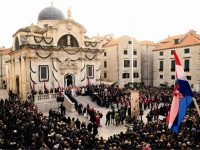
- Feast of St. Blaise: Held every February, this UNESCO-recognized festival honors the city’s patron saint with processions, costumes, and traditions dating back a thousand years.
Best Times to Visit
- Spring and Fall offer warm weather with fewer crowds—ideal for walking the walls and outdoor dining.
- Summer is vibrant but busy, perfect for festivals and nightlife.
- Winter is quiet and atmospheric, especially around Christmas when the Old Town sparkles with lights and local markets.
Flavors of Dubrovnik: Cuisine from Land and Sea
Dubrovnik’s culinary scene reflects its Mediterranean roots and maritime history. Top dishes include:
- Black risotto made with cuttlefish and squid ink.
- Octopus salad with fresh herbs and olive oil.
- Peka: A traditional dish of meat or seafood slow-cooked under a bell-shaped lid.
- Rozata: A Dubrovnik-style crème caramel dessert.
Pair your meal with a glass of Dingač or Plavac Mali—robust red wines from the nearby Pelješac Peninsula.
Dining spots range from seaside fine dining at 360 Restaurant (Michelin-starred) to traditional konobas tucked into alleyways of the Old Town.
Where to Stay
Whether you’re seeking Old World luxury or seaside serenity, Dubrovnik has it all:
- Hotel Excelsior: A historic 5-star hotel just outside the city walls with sea views.
- Villa Dubrovnik: Sleek and modern, perched on a cliff with direct sea access.
- Airbnbs and heritage apartments: Offer a more local experience within the Old Town itself.
Conclusion: Dubrovnik—A City That Captures Time
Dubrovnik doesn’t just showcase history—it lives it. Every stone, arch, and wave tells a tale of survival, sophistication, and soul. Whether you’re wandering medieval streets, savoring fresh seafood by the harbor, or sailing off to nearby islands, Dubrovnik offers an unmatched fusion of past and present.
It’s no wonder that poets, artists, and travelers across centuries have been captivated by its magic. When you visit Dubrovnik, you’re not just a tourist—you become part of a story still unfolding.



0 Comments