













Safe Harbor & UNESCO Heritage Guide
TL;DR: Dubrovnik, Croatia’s “Pearl of the Adriatic,” is a UNESCO World Heritage Site (since 1979) featuring impregnable medieval walls, a perfectly protected natural harbor, world-renowned maritime history as the Republic of Ragusa, famous Game of Thrones filming locations, exquisite Dalmatian cuisine including pašticada and brodet, and serves as the crown jewel of the Croatian coast with its remarkable preservation of Renaissance and Baroque architecture.
Maritime Republic Origins and Protected Harbor Legacy
Dubrovnik’s extraordinary story begins in 614 AD when refugees from the destroyed Roman city of Epidaurus sought sanctuary on the rocky island of Laus (later Ragusia). This naturally fortified position, blessed with an exceptionally protected harbor, would evolve into one of the Mediterranean’s greatest maritime republics. From the 14th to 19th centuries, Dubrovnik governed itself as the free Republic of Ragusa, achieving unprecedented prosperity through skilled diplomacy and maritime trade.
The city’s harbor, nestled between towering limestone cliffs and protected by massive fortifications, provided the perfect sanctuary for merchant vessels sailing the often-turbulent Adriatic. This geographical advantage, combined with the republic’s commitment to neutrality and free trade, made Dubrovnik a crucial link between East and West. The famous white flag bearing “Libertas” (freedom) became a symbol of safe passage throughout the Mediterranean, as Ragusan merchants traveled freely from India to America, establishing settlements and trading posts across the known world.
The Republic of Ragusa’s maritime fleet rivaled Venice itself, with thousands of ships carrying goods between Europe, Asia, and Africa. The city’s argosy vessels were renowned for their quality and reliability, while the protected harbor served as both refuge and strategic base for this maritime empire. Even today, Dubrovnik’s Old Harbor retains its medieval charm with three preserved arches from the 12th-century Large Arsenal, where wooden galleons were once built and repaired.
Impregnable Fortifications and Defensive Mastery
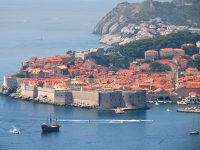
Dubrovnik’s survival for over a millennium owes much to its extraordinary defensive system – walls that were never breached by hostile forces during the medieval period. The massive stone fortifications, constructed primarily between the 12th-17th centuries, form a complete defensive circuit stretching 1,940 meters around the Old Town with walls reaching up to 25 meters high and 6 meters thick.
The defensive complex includes three circular and 14 quadrangular towers, five bastions, two angular fortifications, and the imposing St. John’s Fortress guarding the harbor entrance. The walls were reinforced with over 120 cannons and surrounded by a protective moat, creating what many consider the finest example of medieval fortification architecture in Europe. Fort Lovrijenac, perched dramatically on a 37-meter cliff, earned the nickname “Dubrovnik’s Gibraltar” for its commanding position over the western approaches.
The ingenious defensive design included multiple gates with complex entry systems – visitors couldn’t enter directly but had to navigate through multiple doors and winding passageways, providing security against surprise attacks. The Pile Gate (western entrance) and Ploče Gate (eastern entrance) featured drawbridges raised at sunset, with keys ceremonially handed to the rector. Fort Bokar, considered among the most beautiful examples of functional fortification architecture, represents the oldest preserved casemate fort in Europe.
UNESCO World Heritage and Architectural Splendor
In 1979, UNESCO inscribed Dubrovnik’s Old City as a World Heritage Site, recognizing its outstanding universal value as one of the world’s most perfectly preserved medieval cities. The designation encompasses the complete historical complex including the massive city walls, numerous churches, monasteries, palaces, and fountains that showcase exceptional Gothic, Renaissance, and Baroque architecture.
The city’s architectural magnificence survived numerous challenges, including the devastating 1667 earthquake that killed 5,000 residents and destroyed much of the original structures. The subsequent rebuilding in Baroque style created the harmonious cityscape visible today, with gleaming white limestone buildings crowned by distinctive terracotta roofs. The famous Stradun (main street), paved entirely in white marble, serves as the city’s beating heart, connecting the eastern and western gates through a perfectly preserved Renaissance urban plan.
Notable architectural treasures include the Rector’s Palace (15th century Gothic masterpiece), the Sponza Palace (Renaissance mint and customs house), the Cathedral of the Assumption with its remarkable treasury, and the 15th-century Franciscan Monastery housing one of Europe’s oldest pharmacies (still operating since 1317). The city’s 16 churches, two monasteries, and numerous palaces represent an unparalleled concentration of medieval and Renaissance architecture within the Mediterranean.
Rich Maritime Culture and Traditions
Dubrovnik’s cultural identity remains deeply intertwined with its maritime heritage, evident in traditions that span centuries. The city earned the title “South Slav Athens” during its 15th-17th century golden age, when literature flourished in the local language for the first time in South Slavic history. This cultural renaissance coincided with the republic’s maritime supremacy, as wealth from trade funded artistic and literary achievements.
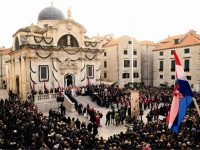
The Dubrovnik Summer Festival, established in 1950, continues this cultural legacy with world-class performances of opera, theater, and classical music held in historic venues including the Rector’s Palace and Fort Lovrijenac. The festival’s motto “Libertas” honors the republic’s enduring commitment to freedom and cultural expression. Traditional klapa singing, recognized by UNESCO as an Intangible Cultural Heritage, echoes through the old stone streets, preserving the musical traditions of Dalmatian maritime culture.
Local customs reflect the city’s cosmopolitan past – the traditional Feast of St. Blaise (patron saint) combines Christian devotion with ancient protective rituals, while maritime blessing ceremonies honor the sea that provided the city’s prosperity. The distinctive Dubrovnik dialect, enriched by Italian, Turkish, and other Mediterranean influences, testifies to centuries of international trade and cultural exchange that characterized the republic’s golden age.
Exquisite Dalmatian Culinary Heritage
Dubrovnik’s cuisine reflects its position as a Mediterranean crossroads, blending Italian, Greek, Ottoman, and local Dalmatian influences into a distinctive gastronomic tradition. The abundance of fresh Adriatic seafood, combined with fertile hinterland produce and centuries of cultural exchange, created a refined culinary heritage that remains largely unchanged today.
Pašticada represents the pinnacle of Dalmatian cuisine – a complex slow-cooked beef dish where meat is marinated overnight in vinegar and spices, then braised for hours with vegetables, wine, and prunes in a rich, dark sauce traditionally served with homemade gnocchi. This labor-intensive dish, requiring up to three days of preparation, is reserved for special occasions and represents the sophisticated cooking techniques developed during the republic’s prosperous era.
Brodet (brodetto) stands as Dubrovnik’s signature fish stew, typically prepared with at least three types of Adriatic fish including grouper, sea bass, John Dory, and monkfish, slowly simmered with garlic, onions, tomatoes, and white wine, served with polenta to absorb the rich broth. Other essential dishes include crni rižot (black risotto colored with cuttlefish ink), zelena menestra (traditional green stew with cabbage and smoked meats unique to the Dubrovnik region), and grilled fish prepared simply with local olive oil and herbs.
The region’s dessert tradition centers on rožata, a medieval custard pudding similar to crème brûlée but flavored with the distinctive rozulin liqueur made from rose petals and local brandy. The nearby Pelješac Peninsula produces some of Croatia’s finest red wines from the indigenous Plavac Mali grape, particularly the prestigious Dingač wines grown on sea-facing vineyard slopes.
Game of Thrones Fame and Cultural Impact
Dubrovnik gained unprecedented international recognition as the primary filming location for HBO’s Game of Thrones, serving as King’s Landing, the capital of Westeros, throughout most of the series’ eight seasons. The city’s medieval architecture and imposing fortifications provided the perfect backdrop for the political intrigue and dramatic scenes that defined the show’s success.
Key filming locations include Fort Lovrijenac (the Red Keep), the Jesuit Staircase (Cersei’s “Walk of Shame”), Pile Gate (main entrance scenes), the city walls (King’s Landing defenses), and St. Dominic Street (market scenes and various dramatic moments). The nearby Trsteno Arboretum served as the Red Keep’s gardens, while Lokrum Island doubled as the exotic city of Qarth with its Benedictine monastery and botanical gardens.
The show’s global popularity transformed Dubrovnik into one of the world’s most recognizable filming destinations, with specialized Game of Thrones tours now operating throughout the city. The original Iron Throne, gifted by HBO to Dubrovnik, resides in the Lokrum Island visitor center where fans can experience their royal moment. This Hollywood connection significantly boosted international tourism while showcasing Croatia’s stunning coastline and rich cultural heritage to a worldwide audience.
Modern Dubrovnik: Tourism Excellence and Preservation
Today’s Dubrovnik successfully balances its role as one of Europe’s premier tourist destinations with careful preservation of its UNESCO-protected heritage. The city receives over 1.3 million visitors annually to its walls alone, making tourism management a critical priority. Recent initiatives limit cruise ship arrivals to two vessels daily with a maximum of 5,000 passengers, ensuring sustainable tourism that protects the city’s delicate historic fabric.
The modern Port Gruz, located 3.5 kilometers from the Old Town, serves as the main cruise terminal and ferry hub connecting Dubrovnik to the Elaphiti Islands and Italy. The historic Old Harbor retains its medieval character while accommodating pleasure craft and excursion boats to nearby Lokrum Island and the beautiful Elaphiti archipelago.
Dubrovnik offers exceptional dining experiences from traditional konobas serving centuries-old recipes to innovative restaurants reinterpreting Dalmatian cuisine. The city’s numerous museums include the Maritime Museum in St. John’s Fortress (chronicling the republic’s seafaring heritage), the Rector’s Palace (Cultural History Museum), and specialized collections in the Franciscan Monastery and Dominican Monastery.
The best time to visit is May-June or September-October for optimal weather with manageable crowds, though the city’s Mediterranean climate ensures year-round appeal. Cable car access to Mount Srđ provides spectacular panoramic views over the terracotta rooftops and azure Adriatic, while the nearby Elaphiti Islands and Pelješac Peninsula offer perfect day trip destinations from this remarkable city that Lord Byron called “the pearl of the Adriatic.”
Resource List with Hyperlinks
Official Tourism and UNESCO Information
- Dubrovnik Tourist Board
- UNESCO World Heritage – Dubrovnik
- Dubrovnik City Walls Official Site
- Croatia Tourism – Dubrovnik
Historical and Cultural Resources
- Dubrovnik Maritime Museum
- Dubrovnik Museums
- Dubrovnik Summer Festival
- Naval History Magazine – Dubrovnik Maritime Heritage
Culinary Guides and Food Culture
- Dubrovnik Food Guide – Traditional Cuisine
- Traditional Dubrovnik Dishes Guide
- Wanderlust – Dubrovnik Cuisine
- Dubrovnik Eats Stories
Game of Thrones Tourism
- King’s Landing Dubrovnik – GOT Filming Locations
- Game of Thrones Croatia Tours
- Complete GOT Filming Locations Guide



0 Comments